research
Research in structural dynamics, earthquake engineering, structural health monitoring, digital twins, and computational mechanics.
SEHM Lab · Loyola Marymount University
Research grounded in mechanics, computation, and experiment.
The SEHM Lab studies the behavior of structural systems under dynamic loading. Our work integrates analytical mechanics, laboratory and field experiments, computational modeling, system identification, and data-driven methods to advance earthquake engineering and structural health monitoring.
01 · Earthquake engineering
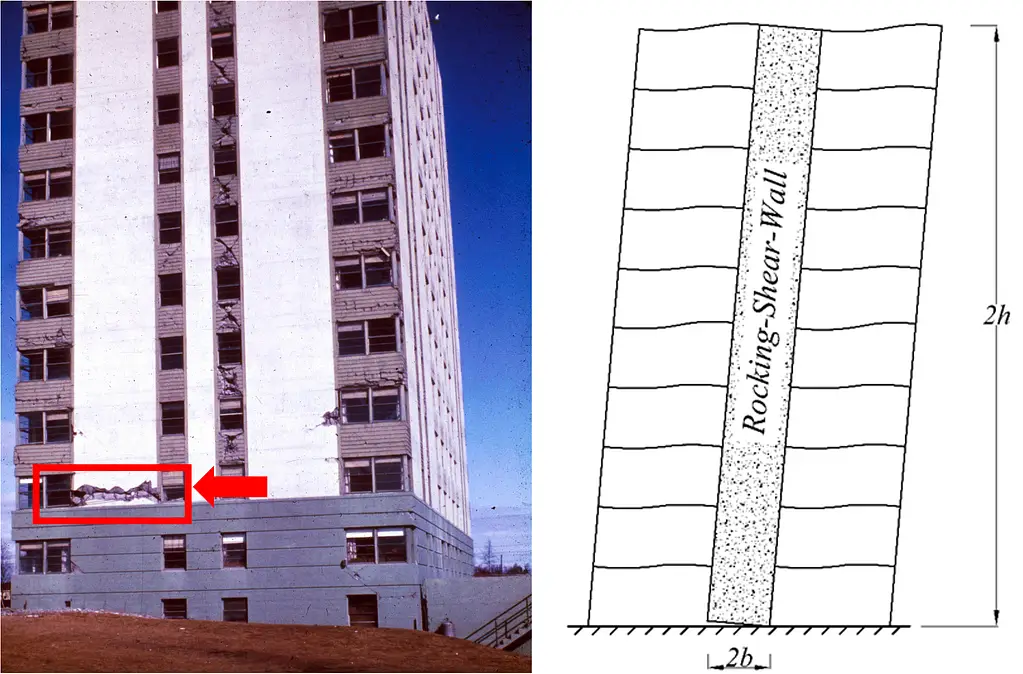
Rocking and self-centering structural systems
Weak-story mechanisms and concentrated drift demands are recurring causes of severe damage in multistory buildings. We investigate hybrid systems that couple moment-resisting frames with stiff walls permitted to uplift and rock during earthquake excitation, promoting a more uniform distribution of deformation over the structural height.
Our analytical and nonlinear numerical studies examine the dynamics of yielding frames coupled with rocking walls, the influence of wall configuration and supplemental damping, and the resulting effects on residual drift, damage, and post-earthquake functionality.
02 · Structural health monitoring
Physics-based digital twins and damage detection
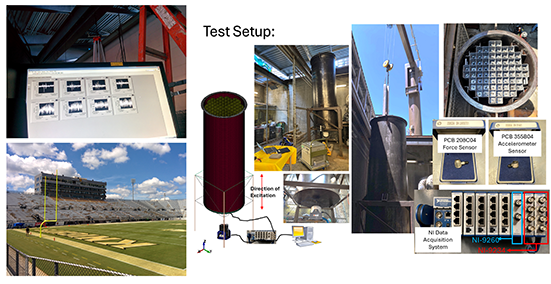
Aging infrastructure requires reliable methods for identifying structural change and supporting condition-based decisions. We combine measured vibration response with mechanics-based models to develop digital twins capable of system identification, model updating, damage detection, and prognosis.
SEHM Lab research draws on laboratory experiments and field measurements from bridges, stadiums, and energy infrastructure. Current work emphasizes physics-based vibration features, uncertainty-aware inference, and learning methods that remain connected to structural behavior.
Current experimental platform
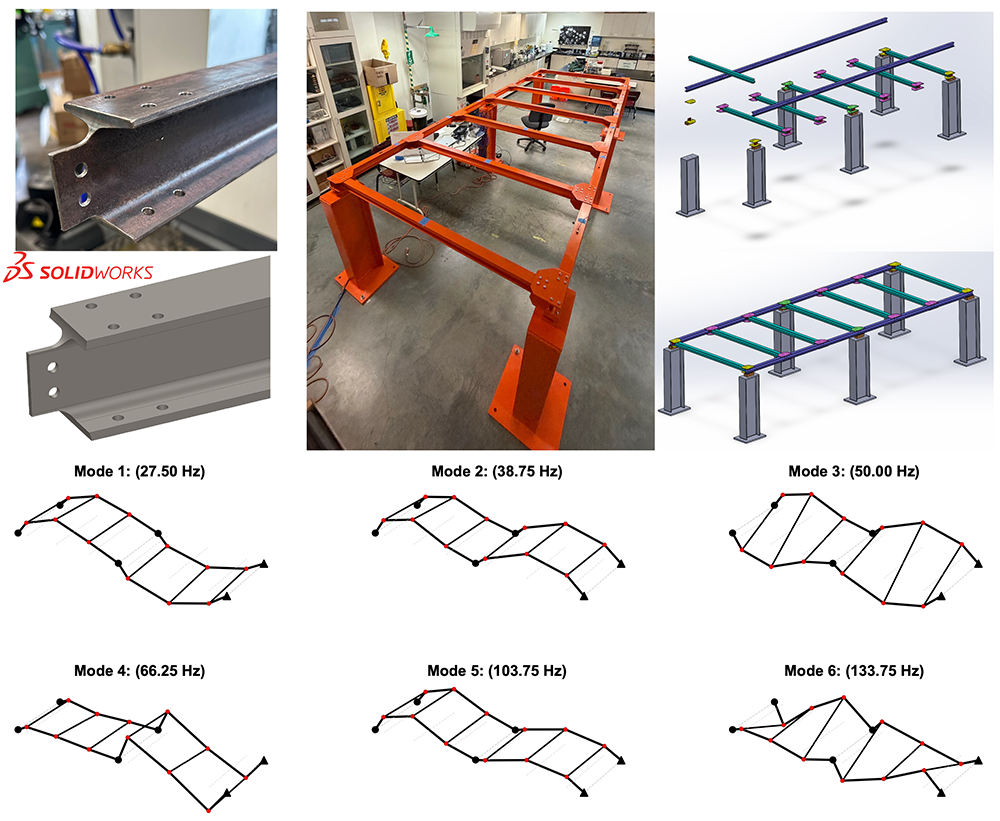
Digital Twin Bridge Mockup
A two-span steel bridge mockup supports research in experimental structural dynamics, reduced-order modeling, and physics-based digital twins. CNC-fabricated components, instrumented steel columns, finite element models, and experimental mode identification provide a controlled platform for real-time system identification and damage-detection studies.
03 · Computational modeling
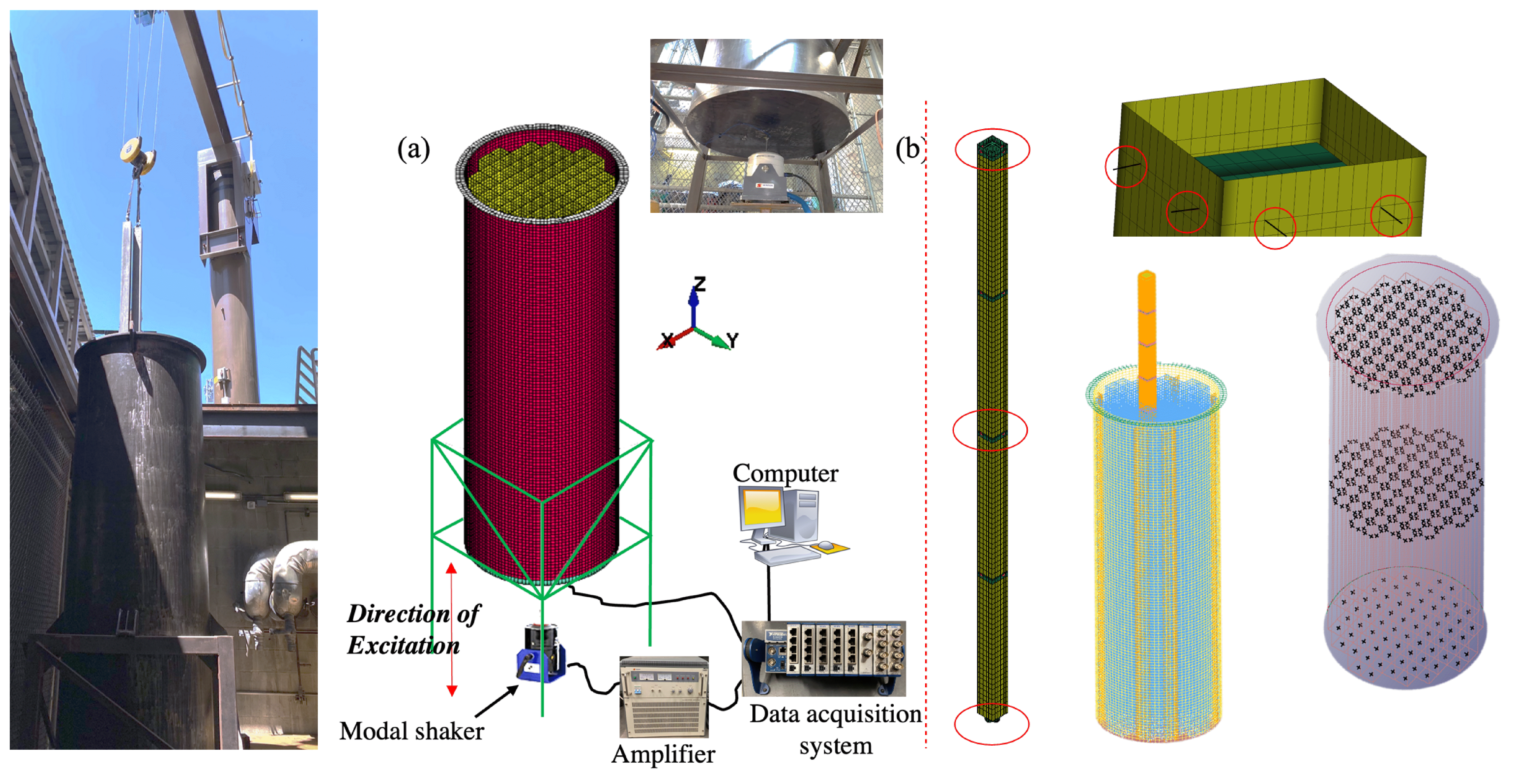
High-fidelity and reduced-order structural models
Detailed finite element models can reproduce complex structural dynamics, but repeated analyses for model updating, uncertainty quantification, and inverse problems remain computationally demanding.
We develop and apply substructuring and component mode synthesis methods—including Craig–Bampton reduction—to construct computationally efficient models that preserve the modes, frequency-response functions, and physical characteristics important to dynamic analysis.
Extended applications
Mechanics across scales and disciplines
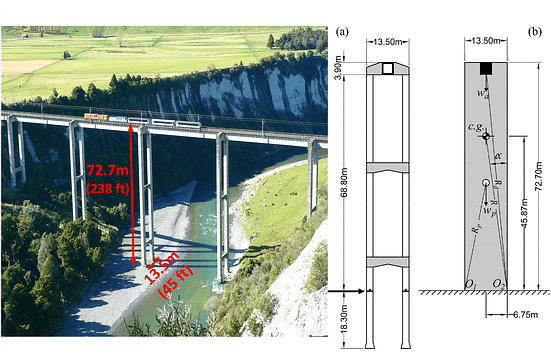
Rocking bridge piers
We study tall, slender bridge piers that uplift and rotate above their foundations, including the use of supplemental hysteretic and viscous dampers to control dynamic response while preserving self-centering behavior.
This work was recognized with the ASCE J. James R. Croes Medal.
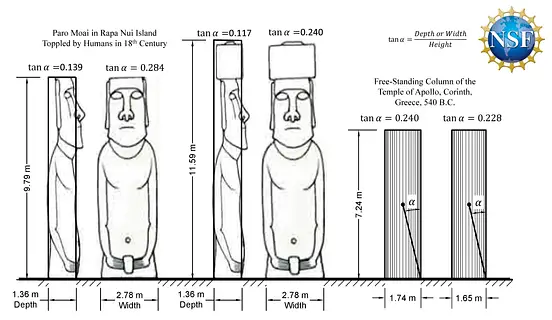
Dynamics of monumental architecture
In collaboration with archaeologists and seismologists, we use field evidence and physics-based modeling to evaluate competing explanations for the toppling of monumental statues at Rapa Nui.
NSF Award 2401213 →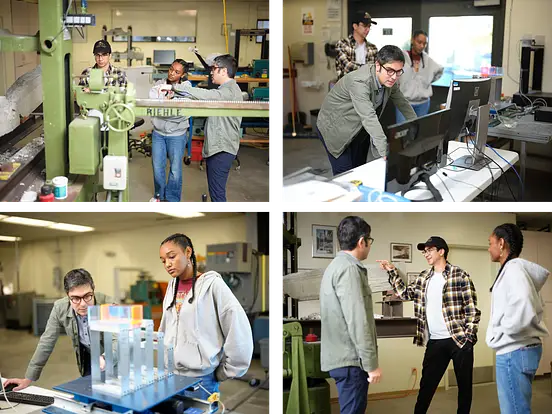
Student research
Learn by investigating real structural systems.
Students participate in digital-twin development, experimental structural dynamics, computational modeling, and seismic-resilience projects. Motivated LMU students interested in research are encouraged to get in touch.
Contact the lab